Hurghada in winter is one of the easiest sunshine escapes from the UK and northern Europe. By the second week of November, Manchester is grey, wet and windy, while Hurghada is still warm enough for outdoor lunches, beach days and long afternoons in the sun.
The short answer is yes, Hurghada in winter is genuinely warm enough for a winter break, with a few honest footnotes. It is not a sweltering beach holiday every single day, but you can eat lunch outdoors in a T-shirt in January, swim if you are reasonably hardy, and barely think about rain. Let us go through the season month by month, with real numbers rather than brochure adjectives.
The Numbers First: Hurghada Against Manchester
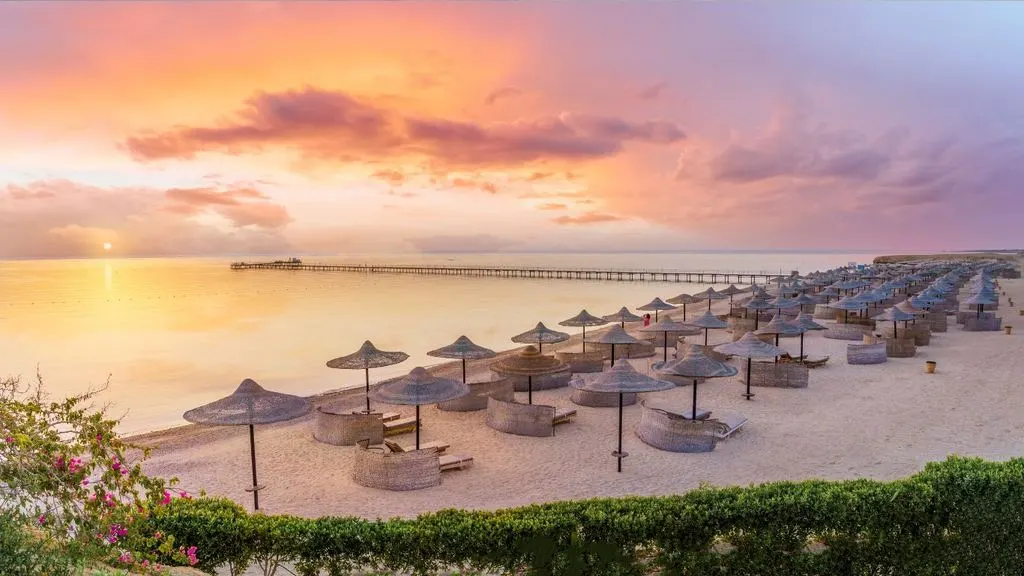
According to NOAA’s 1991–2020 climate normals for Hurghada International Airport, the average daytime high in January is 22.2°C, with an average overnight low of 11.6°C. The 1991–2020 averages recorded at Manchester Airport for the same month are 7.3°C and 1.7°C. That is a gap of nearly 15 degrees in the middle of the day, which is roughly the difference between wearing a coat and wearing sunglasses.
The biggest advantage of Hurghada in winter is consistency. Temperatures vary from month to month, but sunshine remains reliable and rainfall stays exceptionally low compared with northern European cities.
Here is the winter picture side by side. Sea temperatures are the monthly averages commonly published for Hurghada, so treat them as a reliable guide rather than a laboratory reading.
| Month | Hurghada high / low | Sea temperature | Manchester high / low |
|---|---|---|---|
| November | 27.8°C / 17.7°C | about 25°C | 10.2°C / 4.4°C |
| December | 23.8°C / 13.4°C | about 23°C | 7.4°C / 1.7°C |
| January | 22.2°C / 11.6°C | about 22°C | 7.3°C / 1.7°C |
| February | 23.5°C / 12.4°C | about 21°C | 8.2°C / 2.0°C |
| March | 26.2°C / 15.1°C | about 21°C | 10.4°C / 3.6°C |
The rain column is almost comical. NOAA’s normals for the airport show under one millimetre of rain in January, and the average number of days with measurable rain in any winter month sits between zero and a third of a day. Manchester Airport, by contrast, averages between nine and fourteen rain days a month from November to March. One of these places has a weather forecast. The other has a mood.
November: The Soft Landing
November is when Hurghada quietly becomes the best version of itself. Daytime highs average 27.8°C, the sea is still a comfortable 25°C or so, and the summer crowds have long gone home. If you are a UK or German buyer thinking about whether you could genuinely live here for part of the year, November is the month to test the idea, because it feels like an extended September.
The evenings are pleasant rather than hot, with the average low at 17.7°C, so a light cardigan is plenty. This is also the month when the terrace becomes the best room in the apartment. If you are viewing homes in central Hurghada, ask to see the property at sunset. A balcony that looks lovely at noon can be an entirely different proposition at six o’clock.
December: Christmas Without the Scarf
By December the average high eases to 23.8°C and the nights drop to around 13.4°C. This is the first month where you will notice a proper difference between sun and shade. Sit in the sun and you are happy in short sleeves. Move into a shaded courtyard and you will reach for a jumper within ten minutes.
The sea averages around 23°C, which is swimmable but bracing for anyone raised on the Mediterranean. Hardier swimmers carry on happily, and divers simply put on a thicker wetsuit. The recorded sunshine tells the story well. The older 1961–1990 NOAA sunshine records for Hurghada show around 247 hours in December. The Manchester Airport average for the month is under 48. You are getting roughly five times as much daylight sun, and the difference shows in the mood of everyone you meet on the Marina promenade.
Plenty of our clients from the UK tell us December is the month the decision is made. Nobody buys an apartment because of a spreadsheet. They buy it because they spent Christmas week reading a book on a terrace and realised they did not want to go home.
January: The Coolest Month, and Still Lovely
January is the coldest month in Hurghada, and the figures are still enviable: 22.2°C by day and 11.6°C by night, according to the NOAA normals. It is the month to be honest about, because it is where expectations most often go wrong.
For many long-stay visitors, January is the month that defines Hurghada in winter. The days are bright and pleasant, while evenings are cool enough that a light jacket or fleece becomes part of the routine.
Daytime in the sun is excellent. Evenings, however, can feel properly cool, particularly if the wind comes in off the water. A fleece or a light jacket is not optional after dark. Many Egyptian apartments are designed to shed heat rather than hold it, so if you plan to spend the whole of January in residence, check how the property copes with a cool night. A good fabric throw and a portable heater solve most problems, but it is better to know in advance than to discover it at midnight.
The sea is at its coolest, about 22°C. Swimming is possible and plenty of people do it daily. A shorty wetsuit makes an hour of snorkelling far more comfortable. If you prefer your sea warm, the pool at your development is the sensible answer, and most pools in the Sahl Hasheesh resorts are far kinder than the ocean at this time of year.
February: Turning the Corner
February brings a little more warmth, with the average high at 23.5°C and nights at 12.4°C. The sea is at its annual low of about 21°C, which surprises people because the air feels warmer. Water takes longer to warm than air, and that lag catches out first-timers every year.
The Manchester comparison is at its starkest here. Manchester Airport averages an 8.2°C high in February, with around ten rain days. Hurghada gives you more than 23°C and, in the long-term airport record, essentially no rainy days at all. If you are a remote professional looking for a winter base with reliable sunshine and a decent internet connection, February is when the logic is hardest to argue with.
March: The Shoulder Season Sweet Spot
By March the average high reaches 26.2°C and the nights warm to 15.1°C. The sea is still around 21°C, but the air is now properly warm and the evenings become a pleasure rather than a negotiation. March is a favourite among buyers who dislike extremes. It is warm enough for the beach, cool enough for walking and exploring, and the summer heat has not yet arrived. That balance is one reason Hurghada in winter appeals to buyers and long-stay visitors who want sunshine without the intense heat of midsummer.
It is also a sensible month for property viewings. Developments look their best in clear spring light, and you can comfortably walk a site at midday without needing a lie-down. If you are weighing up Makadi Bay against other parts of the coast, a March visit lets you see how each community feels when it is genuinely lived in.
What to Pack for a Red Sea Winter
Packing for Hurghada in winter is mostly about layers rather than heavy clothing. Light cotton or linen works well during the day, while a fleece, light jacket or windproof layer becomes useful after sunset and on boat trips.
If you intend to swim or snorkel between December and March, a 3mm shorty wetsuit is a worthwhile investment. Divers will want a full suit. For everything else, travel light, because the shopping is perfectly good and the thing you forgot is usually available around the corner.
Could You Live Here From November to March?
This is the real question behind all the temperature tables. The honest answer is that the climate is the easy part. Five months of reliable sunshine is exactly what the data promises, and anyone who has stood at a Manchester bus stop in January will see the appeal. The harder questions are the practical ones: how you get there, what you do for healthcare, and how you manage the paperwork.
Living in Hurghada in winter feels very different from visiting for a one-week holiday. Over several months, you experience the cooler evenings, the quieter beaches and the practical rhythm of everyday life rather than just the resort version of the city.
On travel, direct flights from the major UK and German airports take roughly five hours, so a winter commute is closer to a long working day than an expedition. For entry and visa rules, always check the current guidance on the UK government’s Foreign Office travel advice for Egypt, because requirements can change and it is the quickest official source.
On the weather itself, you can explore the underlying climate records through NOAA’s National Centers for Environmental Information, the source of the normals quoted throughout this guide.
Turning a Sunny Winter into a Home
Visiting for a fortnight tells you whether you like Hurghada. Spending November to March tells you whether you could live here, and that is a different test altogether. Many of our clients start by renting for a winter and then buy once they have lived through the months we have covered above.
If you are ready to start looking, browse the current apartments and villas for sale, or explore resale properties if you would rather move into somewhere that is already finished and lived in. Our guide to buying property in Hurghada as a UK citizen walks through the process from reservation to handover, and our overview of Hurghada property covers which neighbourhoods suit which lifestyles.
Or simply book a viewing for next January. Bring a jacket for the evenings, a hat for the days, and a quiet confidence that nobody in Manchester is going to ask you about the weather when you get back, because they will already have guessed.