Buying property in Hurghada as a UK citizen is perfectly possible, but the process works differently from buying a home in Britain. British citizens buy apartments, townhouses and villas on the Red Sea every year, and with the right legal checks, the process is generally straightforward. It does, however, involve more paperwork, different ownership rules and a few steps that UK buyers need to understand before transferring any money.
In this guide, we explain buying property in Hurghada from a British buyer’s perspective, from choosing an area and reserving a unit to legal due diligence, contracts, payment, registration and finally getting the keys. We’ll also cover the main costs, documents and ownership rules involved when buying property in Hurghada as a UK citizen in 2026.
Buying Property in Hurghada: Can UK Citizens Own Property?

Buying property in Hurghada is legally possible for British citizens, subject to Egypt’s foreign ownership rules and the specific status of the property and location.
Foreigners can own residential property in most Egyptian cities, including everywhere Covaya works: Hurghada, Sahl Hasheesh, El Gouna, Makadi Bay and Soma Bay. According to the Egyptian Real Estate Platform blog (September 2025), foreigners may acquire up to two residential properties with a combined area of no more than 4,000 square metres, while agricultural land and military zones are off limits and Sinai is largely leasehold only. Global Property Guide likewise attributes this framework to Law No. 230 of 1996.
Rules do move. As Al-Ahram Weekly has reported, recent government decisions have eased ownership for foreign buyers who pay in foreign currency transferred from abroad. Treat any number you read online, including ours, as a starting point, and ask your lawyer to confirm the position on the day you sign.
Buying Property in Hurghada: Step-by-Step Process for UK Citizens
The Egyptian Real Estate Platform describes five stages. Here is how they play out in practice for a UK buyer.
1. Choose the area before you choose the flat
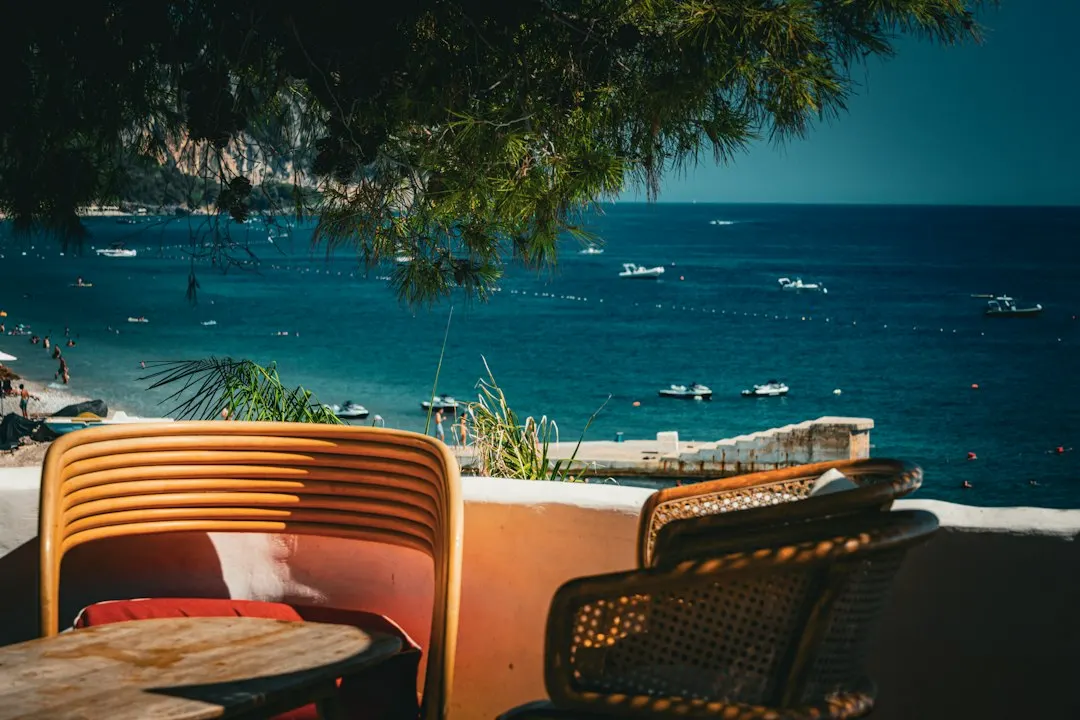
Hurghada, Sahl Hasheesh and El Gouna feel like three different countries on the same coast. Spend an afternoon in each before falling for a show flat. Our guides to Hurghada, Sahl Hasheesh and El Gouna are a sensible place to start, and our overview of property for sale in Hurghada explains the main districts.
2. Reserve and do your due diligence
A reservation holds the unit while your lawyer checks the developer, the land title and the building permits. Do not skip this step because the sales office has lovely coffee. Browse what is currently available among our properties for sale or explore the wider developments we work with before you commit.
3. Sign the preliminary contract
The Egyptian Real Estate Platform notes that a preliminary contract typically comes with a deposit of 10 to 30 percent. Read the payment schedule, the handover date and what happens if the date slips. Have the English translation checked against the Arabic original, because the Arabic is the one that counts.
4. Pay taxes and fees
Global Property Guide lists typical buyer costs of roughly 2 to 5 percent in property transfer tax, around 3 percent in notary fees and 2 to 3 percent in legal fees, with total round-trip costs of 9 to 14 percent once seller-side agent fees are included. Budget for them up front rather than meeting them at the notary.
5. Final contract and registration
The last stage is the final contract and registration of title. According to the Egyptian Real Estate Platform, final registration can take anywhere from 3 to 12 months depending on nationality and location. That is not a typo. Cairo paperwork has its own sense of time, and a good lawyer is the person who nudges it along politely.
One of the biggest advantages of buying property in Hurghada is that the process can be completed with relatively straightforward documentation when the title, developer and payment records are properly checked.
Documents UK Buyers Need
The Egyptian Real Estate Platform lists the essentials: a valid passport, a tax identification number, the preliminary and final sales agreements, the official title deed, bank transfer receipts and, where you are not attending in person, a power of attorney. Keep every transfer receipt. Your bank statement is your best friend later.
Paying From the UK
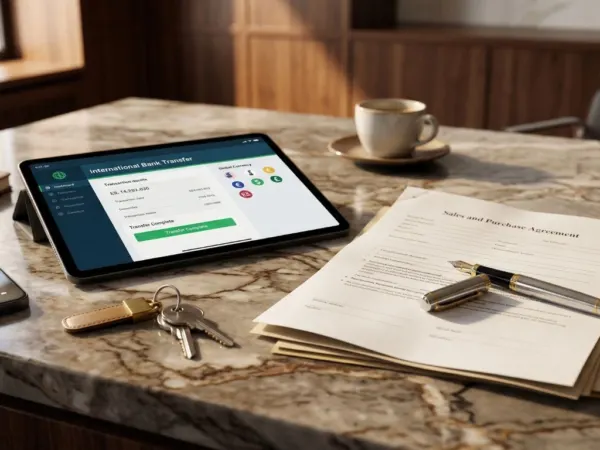
Most foreign buyers purchase in cash, as mortgage access is limited. The Egyptian Real Estate Platform states that foreigners may transfer money into Egypt but that currency must be exchanged through official channels, with every payment made by documented bank transfer. In plain English: pay by bank transfer, never in an envelope, and make sure the receipt names you and the project.
Residency: Does Buying Give You a Visa?
Not automatically. The Egyptian Real Estate Platform says property ownership does not by itself grant residency, though it can support a residence application for longer stays. Before you travel, check the latest entry rules on the UK government’s Egypt travel advice page.
New Build or Resale?
Off-plan units come with payment plans and a wait. Resale units come with keys and a history. If you want to start enjoying the winter sun quickly, take a look at our resale properties.
Common Mistakes We See
- Trusting the brochure over the contract. If it is not written in the contract, it does not exist.
- Skipping independent legal advice. The developer’s lawyer works for the developer.
- Ignoring running costs. Service charges and utilities belong in your budget from day one.
- Underestimating the timeline. Plan around the 3 to 12 months the Egyptian Real Estate Platform quotes for registration.
Ready to Take the Next Step?
Buying abroad should feel exciting rather than nerve-racking. Tell us your budget, your preferred area and how you plan to use the property, and we will put together an honest shortlist. Start with our current listings or get in touch through the enquiry form and we will take it from there.